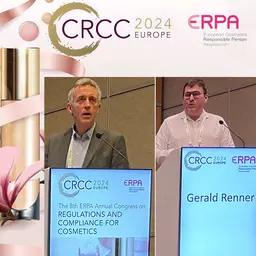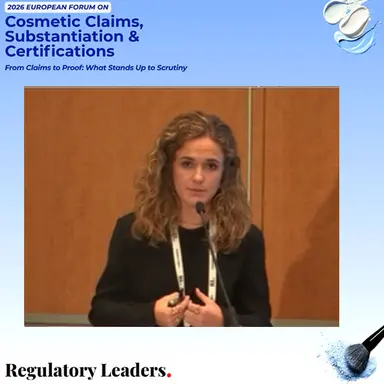
At the European Forum on “Cosmetic Claims, Substantiation and Certifications,” held on September 10, 2026, Andrea Díaz Fernández, a consultant at Obelis Group, gave a presentation on borderline claims and how marketing language can change a product’s regulatory status.
Claims are an essential component of cosmetic products. They are designed to help consumers understand the innovations and benefits of the products. Most claims are developed by the marketing department and then submitted to regulatory experts for approval.
The regulatory framework
First and foremost, for a cosmetic claim to be acceptable, it must comply with European Regulation No. 1223/2009 on cosmetic products and meet the six common criteria set forth in European regulations:
• Legal compliance: the claim must fall within the regulatory framework applicable to cosmetics.
• Truthfulness: it must correspond to the actual characteristics of the product.
• Evidence: the claim must be sufficiently supported by evidence.
• Honesty: it must not exaggerate the product’s performance.
• Fairness: in particular, it must not disparage competitors or their products.
• Informed decision-making: consumers must have access to clear and understandable information.
Failure to comply with these principles may call into question the product’s status as a cosmetic.
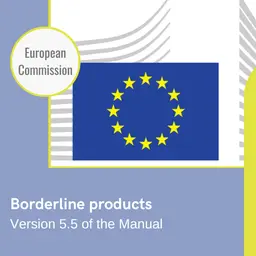
Industry professionals can also refer to the “Borderline Manual”, a guide provided by the European Commission. It helps determine whether certain products fall on the borderline between different regulatory categories. It does not provide ready-made answers but is …