When Labosphère develops a cosmetic product, its teams follow at the very least the European regulations in force and the wishes set out in the development specifications. But what are the technical and regulatory points of vigilance for the development of products claiming to be “high tolerance”, “for sensitive skin” or “for the whole family”? Estelle Dehier explains.
Cosmetics regulations will soon be celebrating their 50th anniversary. However, there are still some grey areas on certain points, which still raise the same questions.
The regulatory conference in Chartres gave us the opportunity to focus on the ‘special’ information that may appear on cosmetic (and/or dermo-cosmetic) products. Indeed, some of them may be subject to different interpretations depending on one’s position in the industry: toxicologist, inspector for the control authorities, etc.
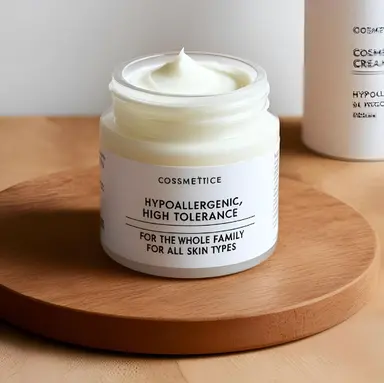
Hypoallergenic
A definition is given in the ARPP Recommendations. However, it would appear that many non-compliances have been noted by the control authorities (presence of odoriferous allergens, for example). For a long time, the HRIPT test on finished products was required to make this claim. This is no longer the case. In vitro tests and other alternatives, as well as a detailed scientific and toxicological analysis, must be used to justify this regulated claim.
High tolerance
Under the Cosmetics Regulation, there is no real definition for this term, which can sometimes seem vague. What should it cover? sensitive skin? sensitised skin? allergic skin? fragile skin? skin with an atopic tendency? fragile sensitive skin?
Following a market study into the “high tolerance” offer, we found …