FR
EN
Confirm order
LOG IN
Forgot your password ?
Identification
You can also use the following identification providers
New user? Create an account
Demo
Subscribe
Briefs
News
All articles
Sector
3 questions to...
Authorities
Congresses
Jurisprudence
Publications
Agenda
Regulation
All articles
European Commission
SCCS
ECHA
France
IFRA
International
Focus
The checklists
Trends
All articles
Ecoresponsibility
Market
Tech / Digital
Consumers
Experts
The checklists
Ingredients
All articles
News
Ingredients search
Ingredients by categories
Products
All articles
Products news
Launches trends
Recalls of products
Pack
All articles
News
Ecoresponsability
Innovation
Basics
All articles
Dossiers
Advising consumers
The language of labels
Cosmetics glossary
E‑Library
Confirm order
Articles
…
Ingredients
All articles
News
Ingredients
:
Ingredient of the month
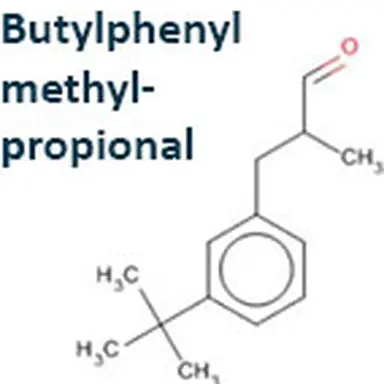
Butylphenyl methylpropional: a name to keep in mind… and ban
It has such a barbaric official name, Butylphenyl methylpropional, that it is commonly referred to by its main trade name: Lilial. And the toxicological profile of this fragrant substance, present in many cosmetic products, also seems to be prohibitive, since the European Scientific Expert Committee for Consumer Safety, after having judged it “not safe” for human health, now seems to accept it only with great caution.
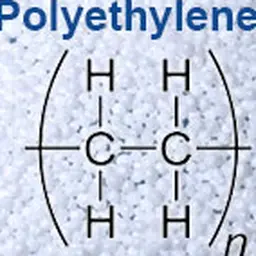
Polyethylene, the little bead... that trapped the microplastics
This cosmetic ingredient has been present in many formulations for a long time, and has been acclaimed for its softness on the skin and its low cost as much as for its exfoliating and film-forming properties. But its interesting plastic form has given way to its polluting plastic, especially for marine environments, bringing with it all microplastics. Which are getting more and more bad buzz, and ...
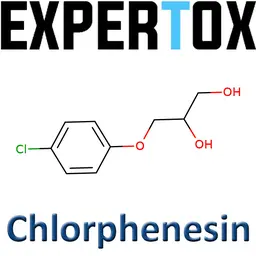
Chlorphenesin
Chlorphenesin is a synthetic compound that belongs to the class of organic compounds called organohalogens. Chlorphenesin is a phenol ether (3-(4-chlorophenoxy)-1,2-propanediol), derived from chlorophenol containing a covalently bound chlorine atom. Description of this cosmetic preservative by Expertox.
Actibiome: the cosmetic ingredient that rebalances the microbiota
This novelty is launched by the ingredients supplier Codif. Thanks to the use of DNA analysis techniques, its laboratories have, for the first time in cosmetics, established a microbial imprint of the skin during a period of transient stress. They also identified and characterized the microbiota during these periods in order to propose a solution to treat the resulting cutaneous disorders.
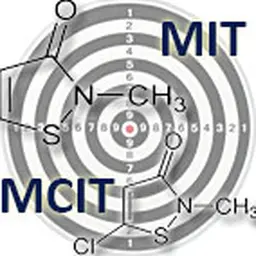
Methylisothiazolinone and Methylchloroisothiazolinone: the story of a blacklisted chemical
These preservatives, like many others, regularly draw the attention of the cosmetics media. For several years, they have been cause for worry and the subject of alerts issued by dermatologist organizations or health authorities due to their strong allergenic potential. Now, they are targeted by European regulators, who intend to limit their use and even prohibit them in certain products.
Tuesday, November 8, 2016
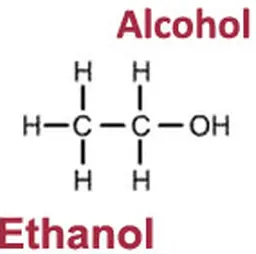
Alcohol in cosmetics
It is usually considered friendly and festive as a drink (if it is consumed with moderation, obviously), but can alcohol keep the same image as a cosm...
Wednesday, October 12, 2016
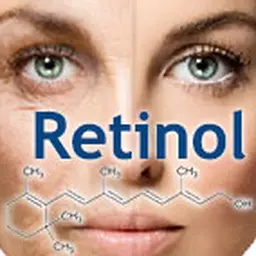
A like… Retinol
It is one of the most widely used anti-aging actives, and for the longest time. But if the efficacy of retinol (or vitamin A) has never been questione...
Monday, May 23, 2016
Anti-pollution ingredients (2/2)
The cosmetics industry is currently in search of new actives to fight against the damage done by environmental pollution on the skin. The Paris editio...
Tuesday, May 17, 2016
Anti-pollution ingredients (1/2)
Fine particles, exhaust gases, cigarette smoke, heavy metals… whether it be atmospheric or domestic, we are surrounded by pollution every day, and the...
Wednesday, April 13, 2016
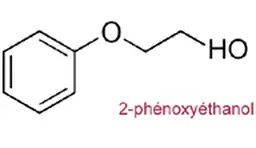
Phenoxyethanol (EGPhE)
It is known due its record about its safety, and also because it is very often mentioned as "Phenoxyethanol-free"… This wording is then a selling poin...
Monday, April 4, 2016
Cosmetic allergens
They are among the cosmetic ingredients most often denounced by the press or consumer organisations for their potential to harm health. They are omnip...
Monday, March 7, 2016
Should we stop using talc?
As innocuous as it may seem, talc often triggers controversies within the cosmetics industry, a sector used to polemical issues. And the fact that it ...
Monday, January 11, 2016
Algae to mimic the caloric restriction process: a new anti-aging cosmetics strategy
There is a passion going on in the world of cosmetics for micro-organisms and other bacteria, both those that are found in the environment and those t...
Tuesday, October 13, 2015
Aqua... or water in cosmetics!
Our body comprises 65% to 70% of water (the figure depends on the age or the body mass…) Our cosmetics almost match this figure, or may even be higher...
Tuesday, June 9, 2015
The ‘CITES’ cosmetic ingredients
The Convention on International Trade in Endangered Species of Wild Fauna and Flora, also known as CITES convention, aims to ensure that international...
Tuesday, March 31, 2015
Marine invertebrates: tomorrow’s cosmetic actives?
The sea is a rich source of cosmetic ingredients. But there are not just algae, sand, sludge, salt, or water in the marine world! Invertebrates, a fam...
Monday, March 9, 2015
When cosmetics are immersed in… vegetable oil!
Can you name at least one category of cosmetics that can NEVER contain at least ONE vegetable oil? … No, really? Not even one? And yet there are some....
Previous page
Next page
Please enable JavaScript to continue using this application.