FR
EN
Confirm order
LOG IN
Forgot your password ?
Identification
You can also use the following identification providers
New user? Create an account
Demo
Subscribe
Briefs
News
All articles
Sector
3 questions to...
Authorities
Congresses
Jurisprudence
Publications
Agenda
Regulation
All articles
European Commission
SCCS
ECHA
France
IFRA
International
Focus
The checklists
Trends
All articles
Ecoresponsibility
Market
Tech / Digital
Consumers
Experts
The checklists
Ingredients
All articles
News
Ingredients search
Ingredients by categories
Products
All articles
Products news
Launches trends
Recalls of products
Pack
All articles
News
Ecoresponsability
Innovation
Basics
All articles
Dossiers
Advising consumers
The language of labels
Cosmetics glossary
E‑Library
Confirm order
Articles
…
Ingredients
All articles
News
Ingredients
:
Ingredient of the month
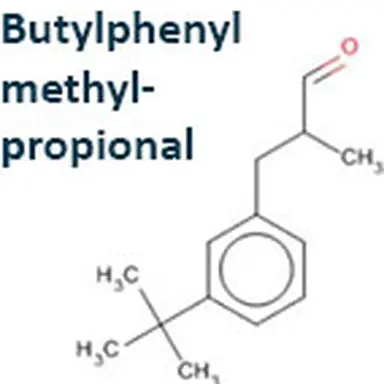
Butylphenyl methylpropional: a name to keep in mind… and ban
It has such a barbaric official name, Butylphenyl methylpropional, that it is commonly referred to by its main trade name: Lilial. And the toxicological profile of this fragrant substance, present in many cosmetic products, also seems to be prohibitive, since the European Scientific Expert Committee for Consumer Safety, after having judged it “not safe” for human health, now seems to accept it only with great caution.
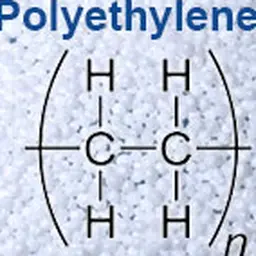
Polyethylene, the little bead... that trapped the microplastics
This cosmetic ingredient has been present in many formulations for a long time, and has been acclaimed for its softness on the skin and its low cost as much as for its exfoliating and film-forming properties. But its interesting plastic form has given way to its polluting plastic, especially for marine environments, bringing with it all microplastics. Which are getting more and more bad buzz, and ...
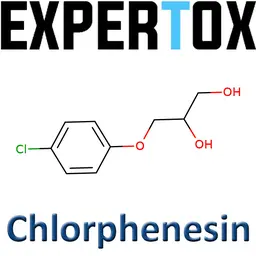
Chlorphenesin
Chlorphenesin is a synthetic compound that belongs to the class of organic compounds called organohalogens. Chlorphenesin is a phenol ether (3-(4-chlorophenoxy)-1,2-propanediol), derived from chlorophenol containing a covalently bound chlorine atom. Description of this cosmetic preservative by Expertox.
Actibiome: the cosmetic ingredient that rebalances the microbiota
This novelty is launched by the ingredients supplier Codif. Thanks to the use of DNA analysis techniques, its laboratories have, for the first time in cosmetics, established a microbial imprint of the skin during a period of transient stress. They also identified and characterized the microbiota during these periods in order to propose a solution to treat the resulting cutaneous disorders.
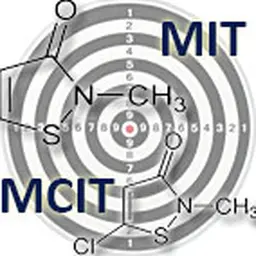
Methylisothiazolinone and Methylchloroisothiazolinone: the story of a blacklisted chemical
These preservatives, like many others, regularly draw the attention of the cosmetics media. For several years, they have been cause for worry and the subject of alerts issued by dermatologist organizations or health authorities due to their strong allergenic potential. Now, they are targeted by European regulators, who intend to limit their use and even prohibit them in certain products.
Monday, December 5, 2011
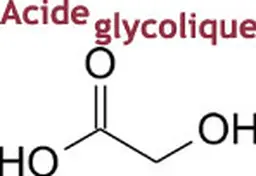
Glycolic Acid
Anti-wrinkles, anti-spots, anti-acne, anti-dull complexion … Glycolic Acid comes with attractive and promising claims. It is an element found both in ...
Tuesday, October 4, 2011
BHT and BHA
The motto sometimes heard is, it is better to be wary of all the ingredients listed under capital letters in the list of ingredients of our cosmetics....
Tuesday, August 2, 2011
Rosin
It is as old as the hills, used by sportsmen (and women), dancers, musicians, paper, electronics and medicine industries, but also as an active ingred...
Thursday, May 5, 2011
Oils and fats
Besides water, fats are the basis for numerous cosmetic products. Creams, body-lotions, serum, make-up, exfoliating agents, shower-gels and shampoos …...
Tuesday, April 5, 2011
Aloe vera
A kind of star among active ingredients, Aloe Vera is renowned since a very long time for its different properties, and used in many fields (food, pha...
Monday, March 7, 2011
Essential oils: at the core of essences
Essential oils are volatile substances, odorous fractions extracted from plants, especially from so-called aromatic plants. It is estimated that more ...
Monday, March 7, 2011
Essential oils: the essence of regulations
There is no specific regulation per se, which would deal with the essential oils used in cosmetics. Nevertheless, many edicts, decrees, European regul...
Monday, March 7, 2011
Essential oils in cosmetics
Although they have been used since ancient times for therapeutic as well as cosmetic purposes, the presence of essential oils in daily hygiene and bea...
Monday, March 7, 2011
The main essential oils used in cosmetics
Less than fifty essential oils are very commonly used in cosmetics. CosmeticOBS, with the assistance of Dominique Davenne, from the Rosier-Davenne lab...
Saturday, November 6, 2010
Mineral oils and waxes
Paraffin and liquid paraffin, Vaseline, synthetic wax … all are hydrocarbons very often used in our cosmetics. You never thought you would apply a pet...
Sunday, October 3, 2010
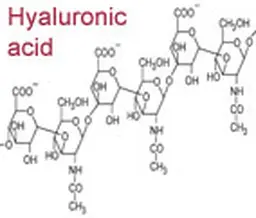
Hyaluronic Acid
No one is vaunting any more the merits of the Hyaluronic Acid (HA) in the fight against ageing marks. Injected, it is one of the most popular ways of ...
Tuesday, September 7, 2010
Silicones
They are an ingredient of many face-care creams, and cannot be ignored in hair products, shampoos and hair-conditioners. Silicones are synthetic produ...
Previous page
Next page
Please enable JavaScript to continue using this application.