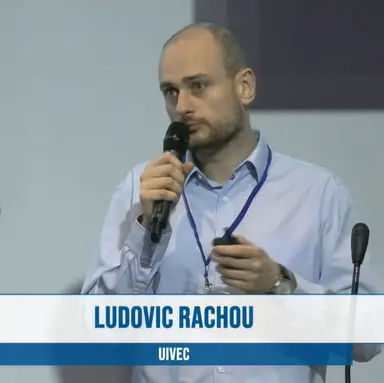
They are increasingly “trendy” but are still subject to controversial perceptions. However, ingredients derived from hemp, Cannabidiol (or CBD) in particular, have many cosmetic interests, and the regulatory framework concerning them is becoming clearer. This was explained by Ludovic Rachou, President of UIVEC (Union des Industriels pour la Valorisation des Extraits de Chanvre), a professional association which gathers the actors of the natural non-narcotic hemp extracts sector, from the seed to the finished products, during the Cosmed Regulatory Meetings on March 21, 2023.
It is not necessarily known, but France is the leading producer of hemp in Europe. 20,000 hectares are devoted to it, i.e. 0.5% of cultivated land. It’s not much, but it allows the country to be, depending on the year, the second or third largest producer in the world, behind China and Canada.
The French industry
Products containing CBD represented a market of 350 million euros at the end of 2022. UIVEC estimates that this figure could rise to 1 billion euros by 2025.
Today, 70% of this market is accounted for by food products (oils, food supplements, etc.), with cosmetics holding only 10% with its oils, balms and creams. “Cosmetics is clearly behind,” Ludovic Rachou commented. “Until now, the segment was mainly occupied by CBD ‘pure players’. But today, we see big players arriving, like L’Occitane, SVR, Shiseido… And this is a very good thing for changing the public’s perception of this ingredient.”
And already, sales are no longer confined to CBD shops, since these products can also be found in more than 5,000 supermarkets and nearly 15,000 pharmacies…
Hemp for cosmetics
The word “hemp” actually covers several varieties of plants, whose flowers are sources …