Counterfeiting may be proven by any means. This principle is enshrined in various articles of the Intellectual Property Code (Article L716-4-7 of the Code, concerning trade marks) and is regularly reaffirmed by the courts. The counterfeit seizure remains the ‘preferred’ method of proving counterfeiting… provided it is carried out fairly. Further details.
An injunction against counterfeiting enables the applicant to obtain important information, particularly regarding the quantities involved. However, if the applicant has concealed important information and acted in bad faith when presenting their application to the court, the defendant may subsequently lodge an objection in summary proceedings and persuade the court to revoke its order. This is a tactic very often used by defendants which can cause evidence of infringement to disappear…
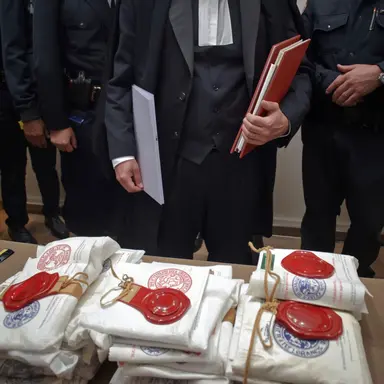
The procedure of counterfeit seizure, whether based on a trade mark, a patent, a copyright or a design, is strictly regulated due to its non-adversarial and intrusive nature, as it allows the claimant to instruct a judicial officer to visit a competitor’s premises and obtain information about them that is often confidential.
Anyone applying to the court for authorisation to carry out a seizure of counterfeit goods must therefore be of impeccable integrity in the information they provide.
This was not the case in the matter reported here.
Gök Triko, the proprietor of an international trade mark designating France for clothing, had obtained an order on application for the seizure of counterfeit goods from the premises of Boomkids, on the grounds that the latter was marketing clothing …