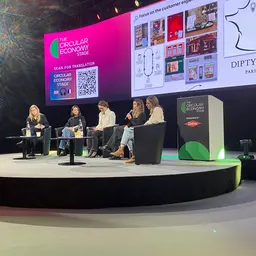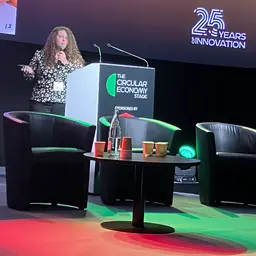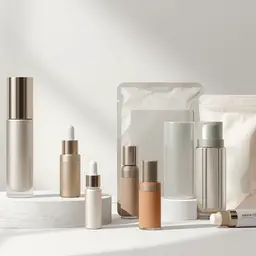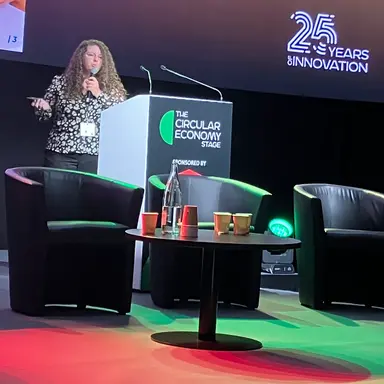
At Paris Packaging Week 2026, Élodie Fisicaro, Sustainable Development Project Manager at FEBEA, presented the findings of a study on refillable cosmetics. The aim was to gain a better understanding of consumers’ expectations, motivations, and barriers in order to accelerate the adoption of these reusable solutions.
The study was conducted in 2025 with industry players, the research firm Senseva, and support from Citeo.
It is based on a two-part approach: a qualitative phase based on consumer focus groups, supplemented by a quantitative online survey of more than 2,000 respondents.
A practice already present on the market
In the cosmetics sector, several reuse methods coexist today, including bulk sales, deposits, and refills. “Refills are currently the most common solution on the market in France,” says Élodie Fisicaro. “This is the method that consumers are already familiar with and have a structured opinion about, with identified strengths and weaknesses.”
The first lesson is that refilling is already established practice. According to the study, 59% of women surveyed said they had purchased at least one refillable cosmetic product during the year.
Among them, 20% use them regularly, with refills accounting for more than a quarter of their cosmetic purchases.
Differentiated buyer profiles
The study distinguishes six main consumer profiles. However, two segments stand out as the most committed to purchasing refills.
On the one hand, there are the “trendy” profiles, who are younger and more receptive to innovation.
On the other hand, there are …