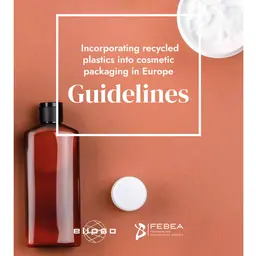
Cosmetics shelves are now overflowing with “green” promises. Packaging is covered with claims, also known as “claims.” These messages target consumers looking for more responsible products, but sometimes struggle to explain exactly what they cover. If poorly framed, they expose brands to the risk of greenwashing, misunderstanding, and ultimately, a loss of trust. What should we make of these claims? How can we verify them? Ecocert has the answers!
An environmental claim is a quantitative or qualitative expression (statement, logo, colour, etc.) used to highlight a product’s environmental performance. 1
On cosmetic packaging, you may find many examples: “bio-based packaging”, “100% recyclable bottle”, “cap made from recycled plastic…”, “zero-impact packaging”.
When used properly, claims help showcase the efforts made by manufacturers or brands. When poorly framed, they create risks of greenwashing, misunderstanding and, ultimately, loss of trust. So how should brands handle these claims? How can they be verified?
What does sustainable cosmetic packaging actually mean?
 Sustainable cosmetic packaging is not based on a single promise. It relies on the combination of three levers across the product’s life cycle, from production to end-of-life: reduce, reuse, recycle.
Reduce: limit material quantities; work on weight, empty space and over-packaging.
Reuse: refill systems, return schemes, reuse of containers.
Recycle: choose recyclable materials, integrate recycled content, and organise end-of-life solutions.
Based on this, claims must comply with several key principles:
• Comply with applicable regulations
• When the claim applies only to the packaging, clearly specify this scope and keep the messaging proportionate
• Be truthful, objective and complete: every environmental benefit must be documented and precisely substantiated
To build claims that are both credible and value-adding, brands should follow a structured approach. Step by step, this method helps move from a technical assessment of packaging to a secure environmental message, all the way through to third-party certification.
1. Assess your packaging
The first step is to look at the packaging as it is, without a marketing filter. Map all materials and components used. For each element, identify what is genuinely recyclable within existing collection and recycling systems, what actually contains recycled content, and what can be reused under normal conditions of use.
2. Define a substantiated environmental benefit
Based on this assessment, you can define a specific environmental benefit supported by measurable data: recycled content rate, weight reduction compared with a previous version, expected number of reuses, share of the packaging that is recyclable, etc. This step also includes defining the exact scope of the claim: are we talking about the bottle only, the cardboard box, the primary packaging, or the entire packaging system?
3. Translate this benefit into a clear, consumer-friendly claim
Once the benefit is clearly defined, it must be expressed as a statement that consumers can understand. The goal is to write claims that are clear, precise and, where relevant, referenced, for example: “Bottle containing 50% post-consumer recycled plastic.”
4. Secure and strengthen your claims through certification
Finally, to build trust and protect against accusations of greenwashing, brands can rely on an independent third-party standard. The standards supported by Ecocert: Recyclass, Ocean Bound Plastic, GRS… are stringent and recognise best practices implemented for packaging. This certification step helps secure packaging promises both legally and technically, while also enhancing their value for retailers and consumers.
From promise to proof: certification for cosmetic packaging
A holistic approach to sustainable cosmetic packaging
Sustainable cosmetic packaging cannot be reduced to a single criterion. Teams assess packaging by combining several complementary angles:
• Material choices (recycled and recyclable plastics, and bio-based materials)
• Design (material reduction, refill solutions to enable reuse)
• Traceability and supplier compliance throughout the supply chain
• And, increasingly, the social impacts associated with collection and processing chains
This holistic view makes it possible to directly link the technical choices of packaging manufacturers and cosmetic brands to the claims that will appear on packaging and communication materials.
Standards and certifications tailored to the cosmetics sector
To make these commitments clear and verifiable, Ecocert relies on a portfolio of certifications that are especially relevant for packaging.
• RecyClass - Recyclability of plastic packaging
This label assesses the compatibility of plastic packaging with the entire waste management chain and its ability to be effectively recycled, in line with COSMOS requirements and European objectives (PPWR 2030). It enables packaging manufacturers and brands to substantiate the recyclability level of their packs and robustly justify claims such as “recyclable packaging”.
• RecyClass - Traceability of recycled plastics
This certification covers the traceability of recycled material, from its source to the final product or component. It guarantees the origin of recycled plastics, compliance with recognised standards, and the credibility of claims such as “contains X% recycled plastic”. For cosmetic packaging manufacturers, it is a key tool to secure B2B claims and those of their brand customers. This certification is also recognised at European level, enabling companies placing products on the market to benefit from eco-modulation bonuses from producer responsibility organisations (in France), or to be exempt from the plastics tax (in Spain, for example)..
• Ocean Bound Plastic (OBP)
The OBP label certifies the use of plastics sourced from waste collected before it reaches the ocean, in line with demanding environmental and social criteria. For beauty players wishing to go beyond “recycled” and take action against marine pollution, OBP provides a credible framework to claim the use of materials sourced from these specific channels.
Ecocert: a partner to move from intention to market
Beyond auditing, Ecocert positions itself as a partner to the cosmetics sector, supporting both packaging manufacturers and brands in promoting their sustainable practices through certification and clear, secure messaging.
Ecocert’s sustainable packaging certifications help turn a promise into a structured commitment: credible for industry stakeholders, clear and reassuring for consumers.