According to a study conducted by researchers at Inserm and published in the journal Environment International, using fewer (or more carefully chosen) cosmetic products can rapidly reduce exposure to certain chemical pollutants and endocrine disruptors. The researchers are calling for regulatory measures regarding the composition of products and their packaging…
The study was conducted among around 100 female students in Grenoble aged between 18 and 30 by scientists from Inserm, the University of Grenoble Alpes and the CNRS (Institute for the Advancement of Biosciences).
For five days, the participants reduced the number of cosmetic products they used and, for hygiene products such as soap and toothpaste, replaced their usual products with alternatives provided by the research team that were free from synthetic phenols, parabens, phthalates and glycol ethers.
The results
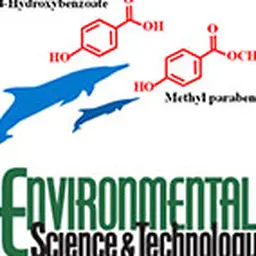
Results summarised in the Inserm press release: a comparison of urine samples taken before and after these five days of restricted cosmetic use shows a significant decrease in biomarkers of exposure to these substances: a reduction of nearly a quarter (-22%) for monoethyl phthalate (MEP), derived from compounds used in particular to fix fragrances, and -30% for methylparaben, a preservative and possible endocrine disruptor.
The scientists also observed a 39% decrease in the urinary concentration of bisphenol A (BPA), a substance classified as an SVHC, a proven endocrine disruptor and a reproductive toxin.
“Bisphenol A has not been permitted in France since 2005 as an ingredient in skincare and cosmetic products due to its reproductive toxicity. Its …