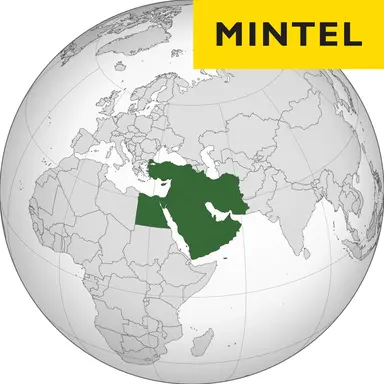
How are American and European consumers reacting to the conflict in the Middle East? What strategies will they adopt in their daily choices, and how can brands position themselves to respond most effectively? In a recent article, the forecasting firm Mintel offers its analysis.
“When global uncertainty rises, households tend to ask the same practical questions: Will prices go up? Will essentials get more expensive? Should I change how I spend?,” Mintel begins.
The impact on supply chains
Supply chains, particularly in the energy sector, are the weak link. The Strait of Hormuz is at the heart of global oil and gas flows; a prolonged disruption would clearly lead to higher energy costs and prices in general, with knock-on effects in areas such as fertilizers.
According to Mintel, households are likely to be concerned about their own bills and the impact of more expensive energy on the wider economy, at a time when inflation is only just beginning to fall steadily in the US and Europe. In other words, energy is not just a budget item, it is a signal that can reset consumer expectations. And once energy becomes a concern for households again, confidence can falter.
The impact on consumer sentiment
One of the most obvious common traits in the United States and Europe is exhaustion. Consumers have experienced a succession of overlapping shocks, and this repetition is changing the way they interpret recent events.
However, they …