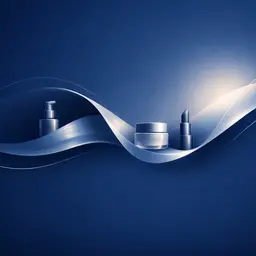
K-Beauty has established itself as a model of innovation and effectiveness around the world. According to market research firms Mintel and Black Swan, a new phase is beginning: that of a more inclusive K-Beauty 3.0.
According to Mintel, Korean influence has spread in three successive waves.
Between 2011 and 2015, the “Novelty & Play” period introduced sheet masks, BB creams, and surprising ingredients such as snail mucin to the West.
From 2016 to 2022, the “Ritual & Wellness” era repositioned Korean skincare as a true lifestyle, with the democratization of long routines and layering.
Today, the industry is entering the 3.0 era, “defined by skin-tech tools, AI-powered diagnostics, microbiome-focused formulations and the expectations of a more diverse consumer base,” says Andrew McDougall, Director of Beauty & Personal Care at Mintel.
K-Beauty remains based on one belief: makeup enhances, but does not mask. The goal is long-term skin health, with prevention, protection, and barrier reinforcement.
In contrast, “Western skincare remains more reactive, focused on quick fixes and immediate results,” observes Mintel.
The challenge of inclusivity
While gwang (radiant glow and hydrated skin) has become the signature of K-Beauty, its appropriation is interpreted differently in the West. Although the term remains little used, the concepts of “glass skin” and “glowy looks” dominate. “But one of the challenges ahead is inclusivity,” says Mintel. “In the US, 27% of black women who use facial skincare products …