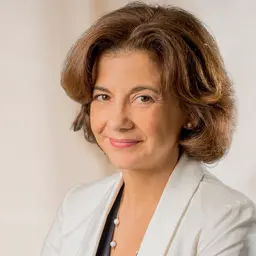
Florence Bernardin has been tracking Asian markets for over twenty years. In this article for CosmeticOBS, she explains how Korean beauty has taken Europe by storm, highlights the trends to watch, and discusses the strengths of French brands in the face of this competition.
CosmeticOB: How did K-Beauty manage to gain such a strong foothold in France so quickly?
Florence Bernardin: It’s simply a government strategy. In the early 2010s, South Korea lost its main market, China, following an unofficial “ban” linked to diplomatic tensions. Overnight, a considerable economic windfall evaporated. The Korean government’s response was immediate and massive: R&D subsidies, export assistance, and a highly organized presence at international trade shows. Above all, the implementation of an extremely effective cultural influence strategy: soft power.
By capitalizing on K-pop, Korean cinema, TV series, and social media, cosmetics have become inseparable from the Korean wave. These are, in fact, carefully cultivated image vectors that have been particularly beneficial to K-Beauty. We’re talking about nearly 2,800 influencers invited and paid by the Korean government in a single year to promote the country and its products internationally.
K-Beauty is now Korea’s second-largest export industry. It is no coincidence that K-Beauty came to seek out European consumers, rather than the other way around. And it did so with a speed and resources that few industries in the world can afford.
CosmeticOB: What are the major trends shaping K-Beauty today?
Florence Bernardin: There are …